
In Praise of Limestone
Belgian blue stone, or pierre bleue belge, occupies a curious place in both geology and architecture. What makes it immediately recognizable is its deep blue-gray color and the fossil shell fragments scattered throughout its surface like tiny stars. Every slab records an ancient seabed, preserving the remains of marine organisms in exquisite detail while maintaining the durability expected of a premium building stone. It is elegant, historical, and unmistakably Belgian.
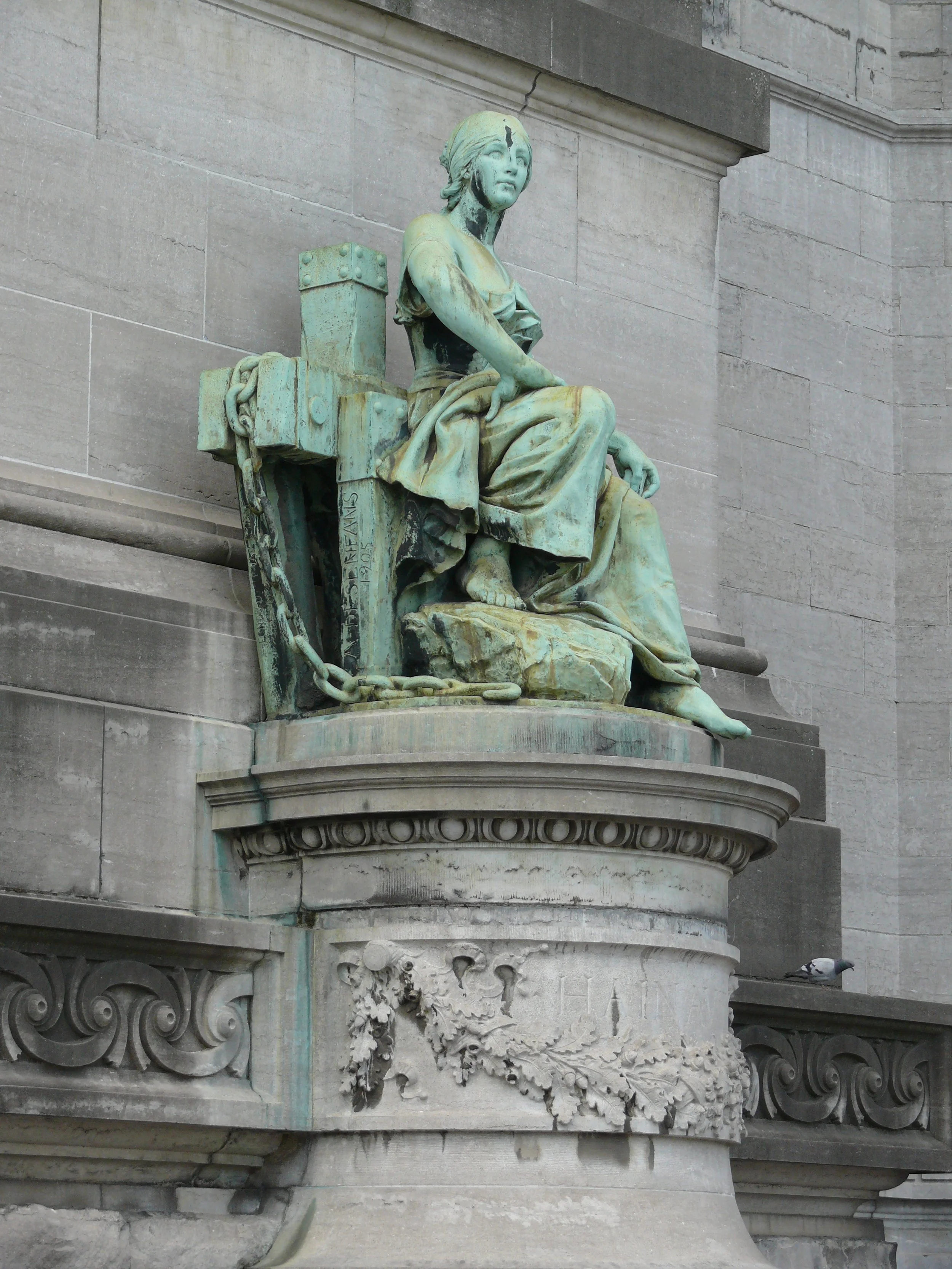
Allegorical statue of the province of Hainaut. Photo by Ad Meskens on Wikimedia Commons. CC BY-SA 3.0.
In WALTRUDE, the terrain of the planet Hannonia mimics an exaggerated geology of Belgium. Looking online for free texture assets, Unreal Engine or Substance Painter material packs, or megascans, it becomes very difficult to find specimens that evoke the unmistakable characteristics of limestone. What are found online are depictions of jagged, fractured desert boulders or heavily weathered pyroclastic rocks, emphasizing sharp edges, coarse relief, and dramatic erosion. Are any of the below materials provided by Fab and Quixel Megascans limestone?
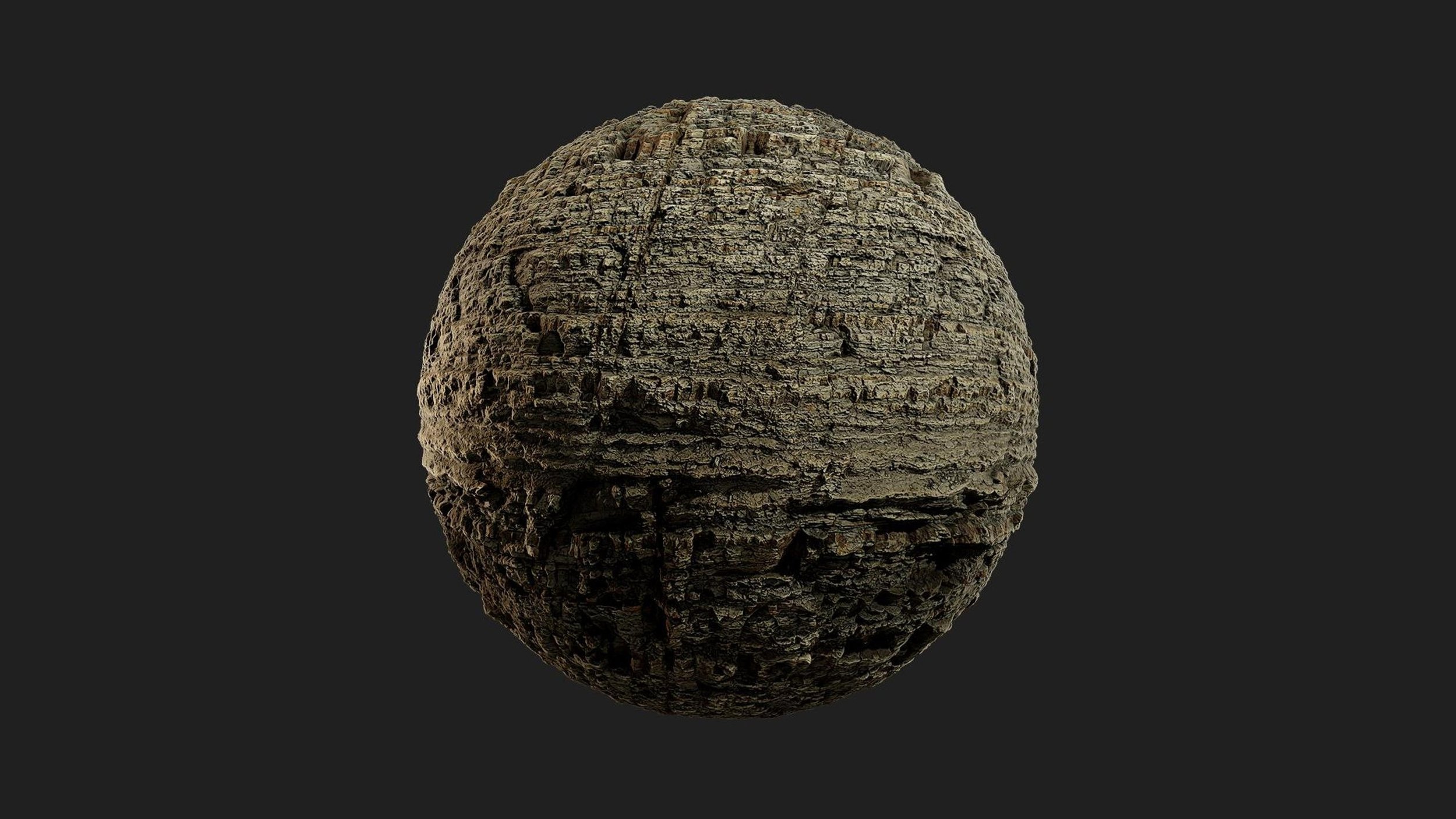
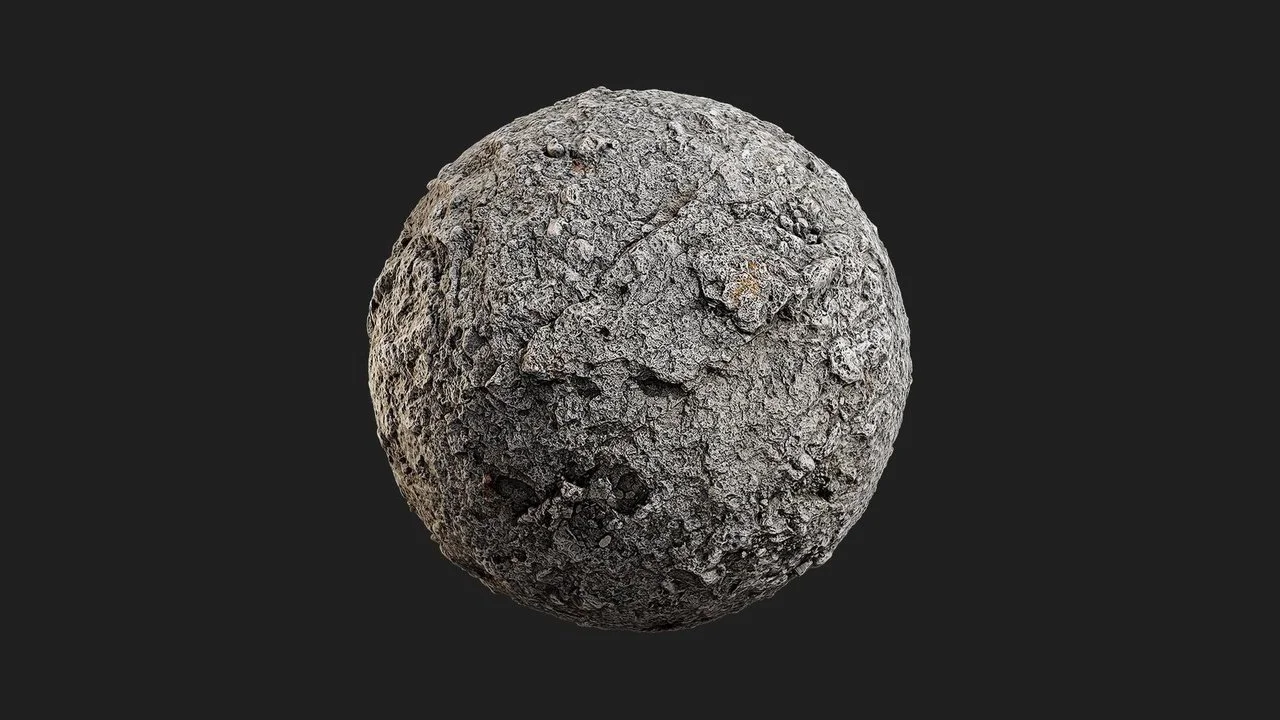
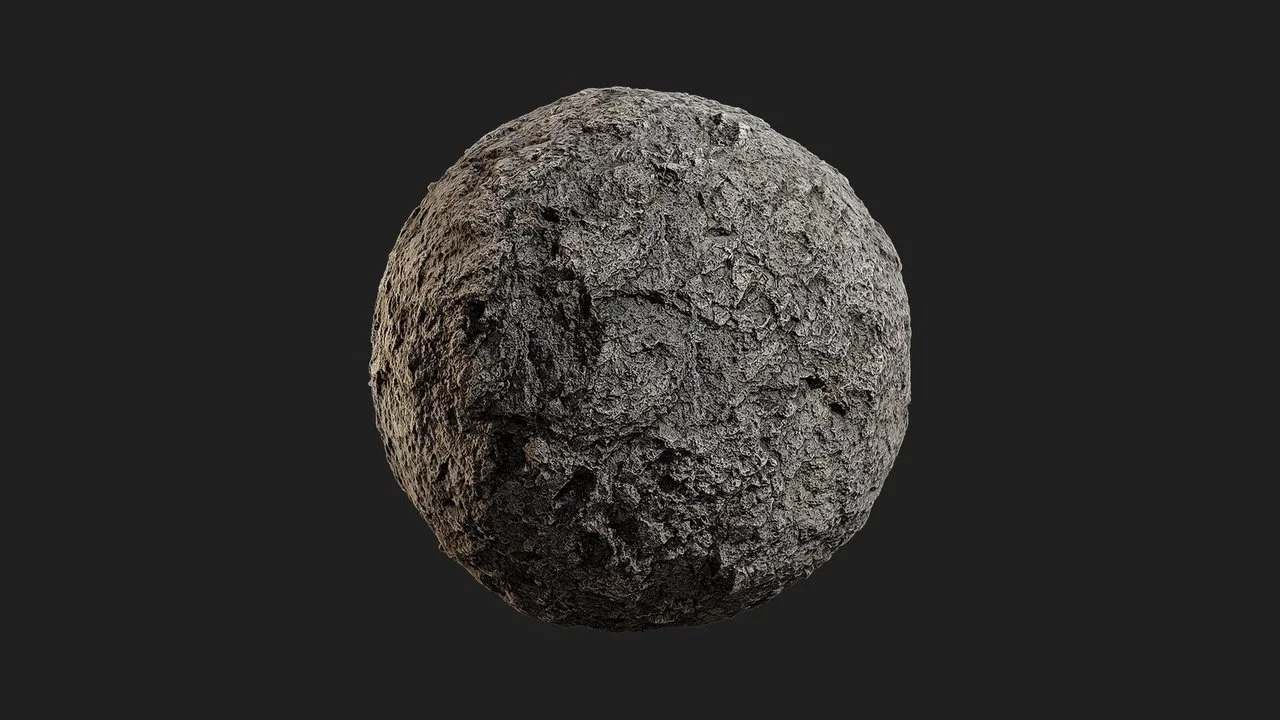
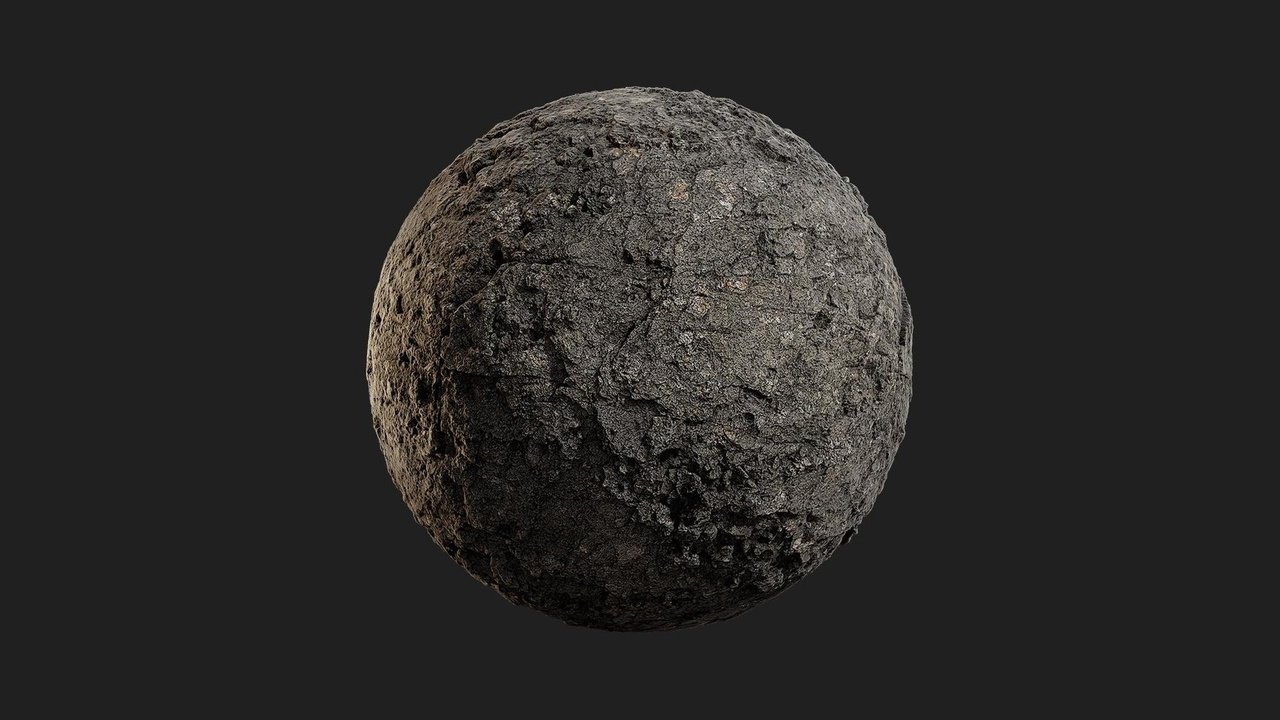
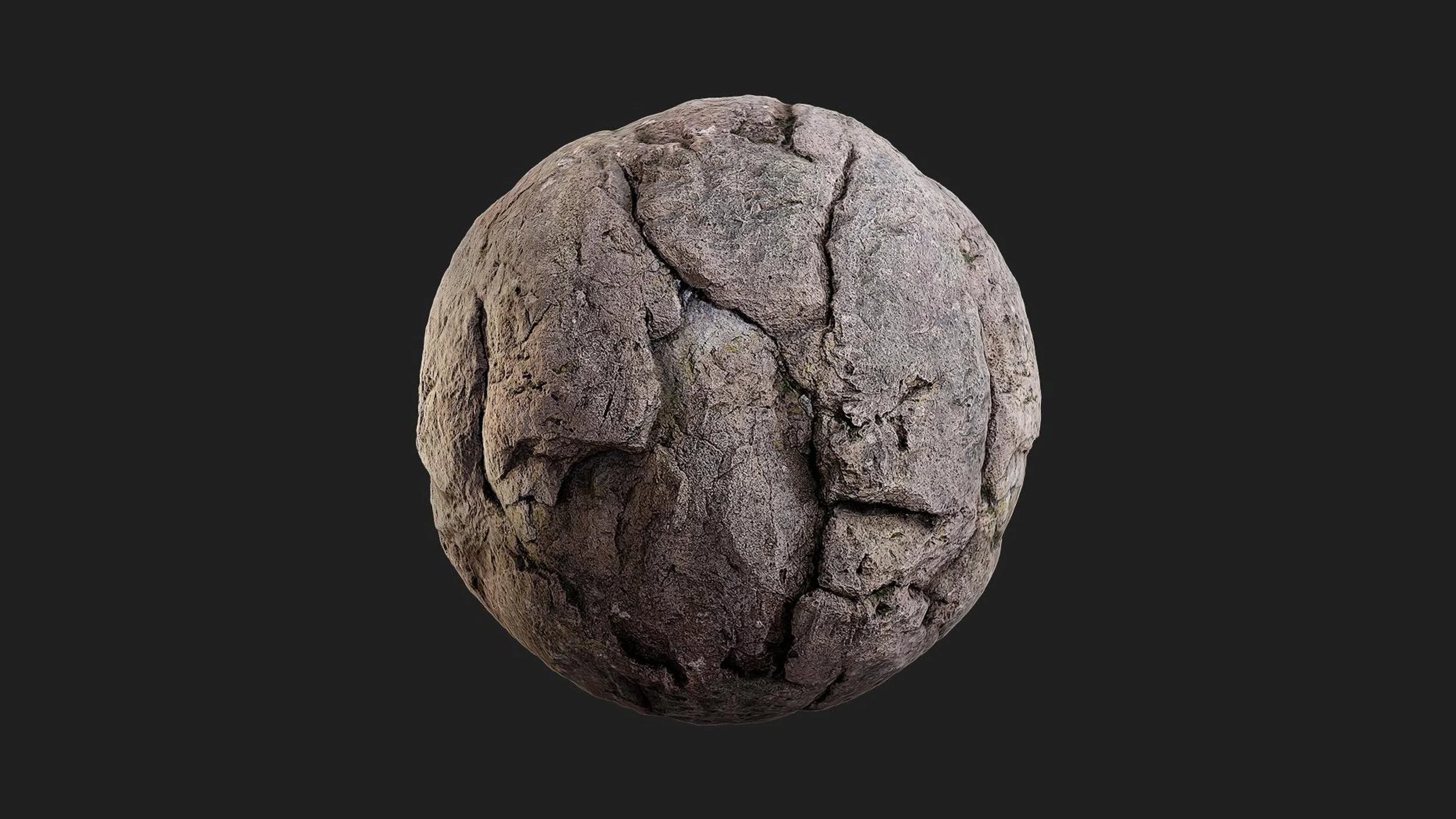
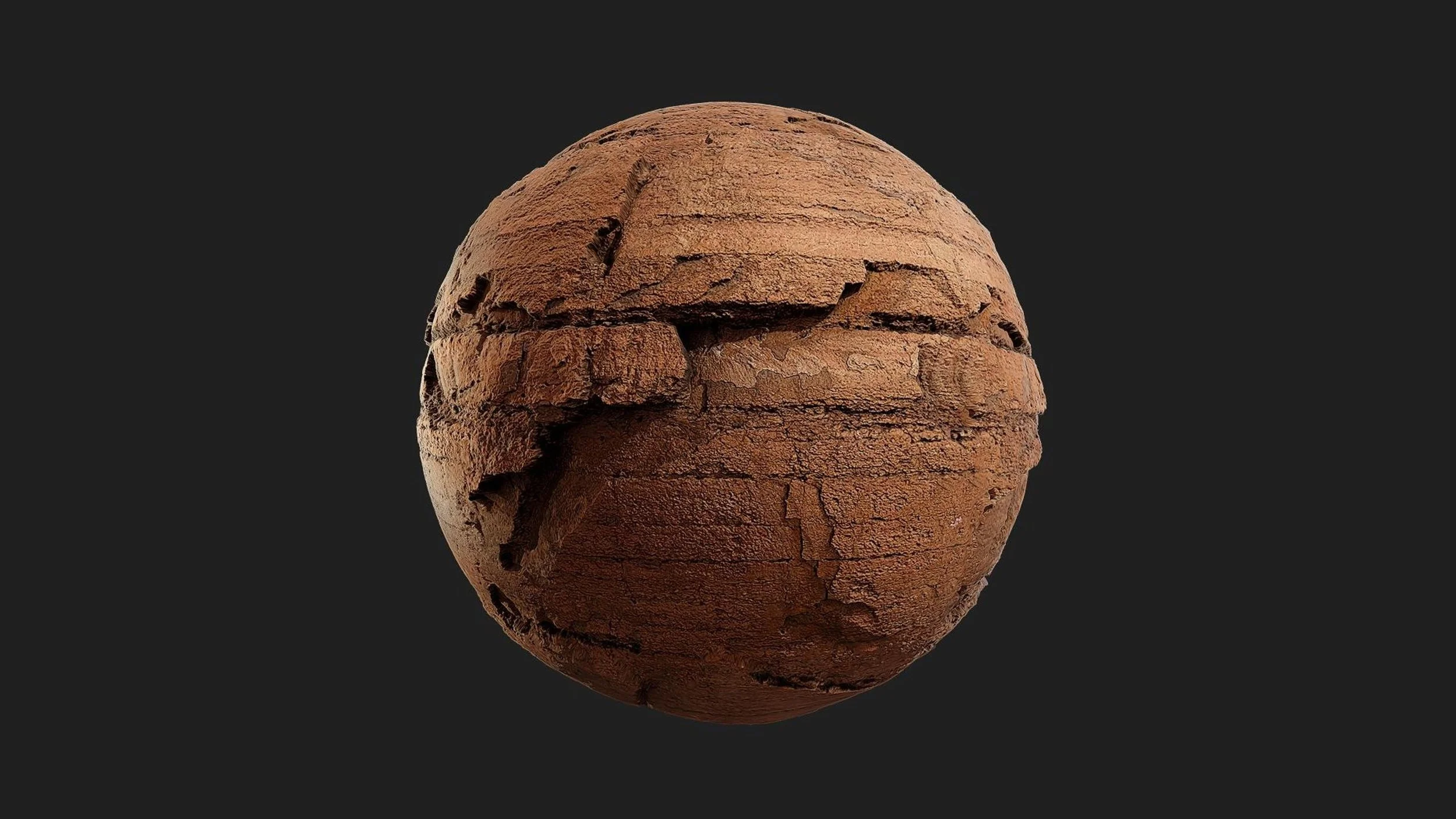
What kinds of rocks are we actually walking across? In many 3D worlds, cliffs, castle walls, and mountain outcrops appear to be assembled from a generic "game rock" rather than granite, sandstone, or basalt. The visual language of game environments often prioritizes readability, dramatic silhouettes, and modular reuse over geological accuracy. What should be a limestone fortress may end up looking like it is made from cracked volcanic basalt or a purported marble temple may actually resemble weathered sandstone simply because the material library happened to contain an attractive scan. How often do environment artists ask themselves what the rock is supposed to be? Do players even notice or care?
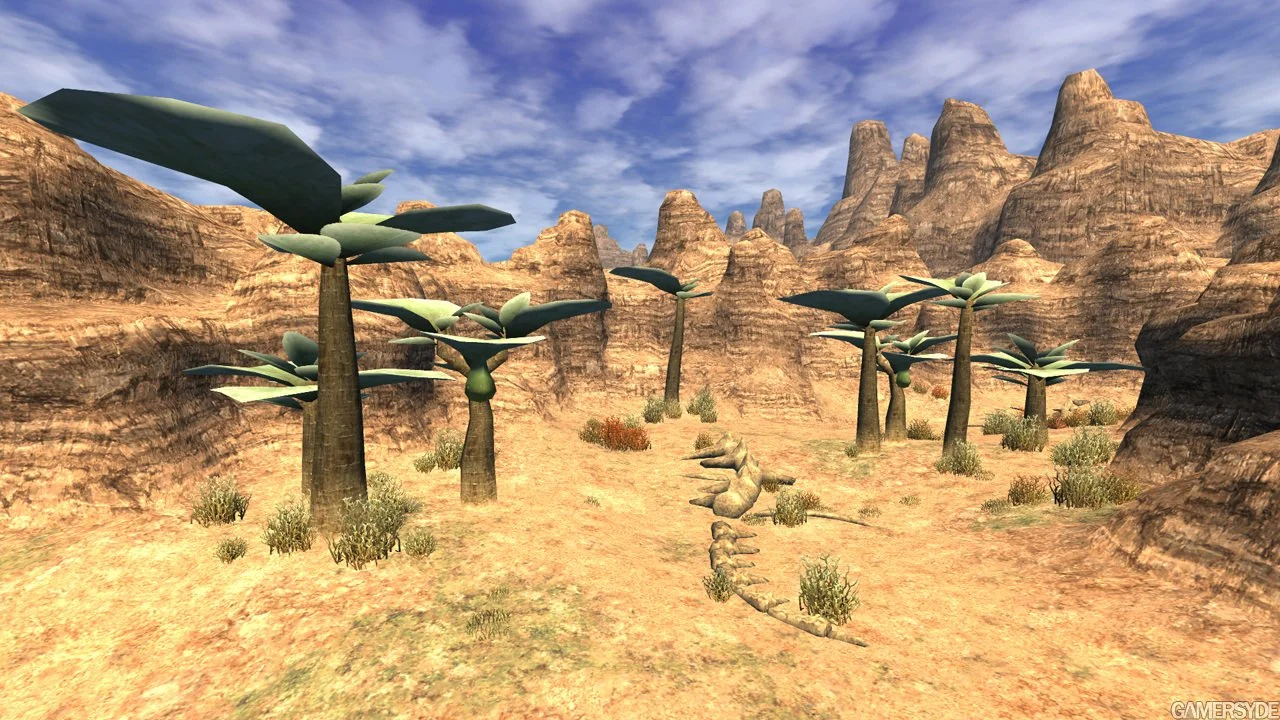
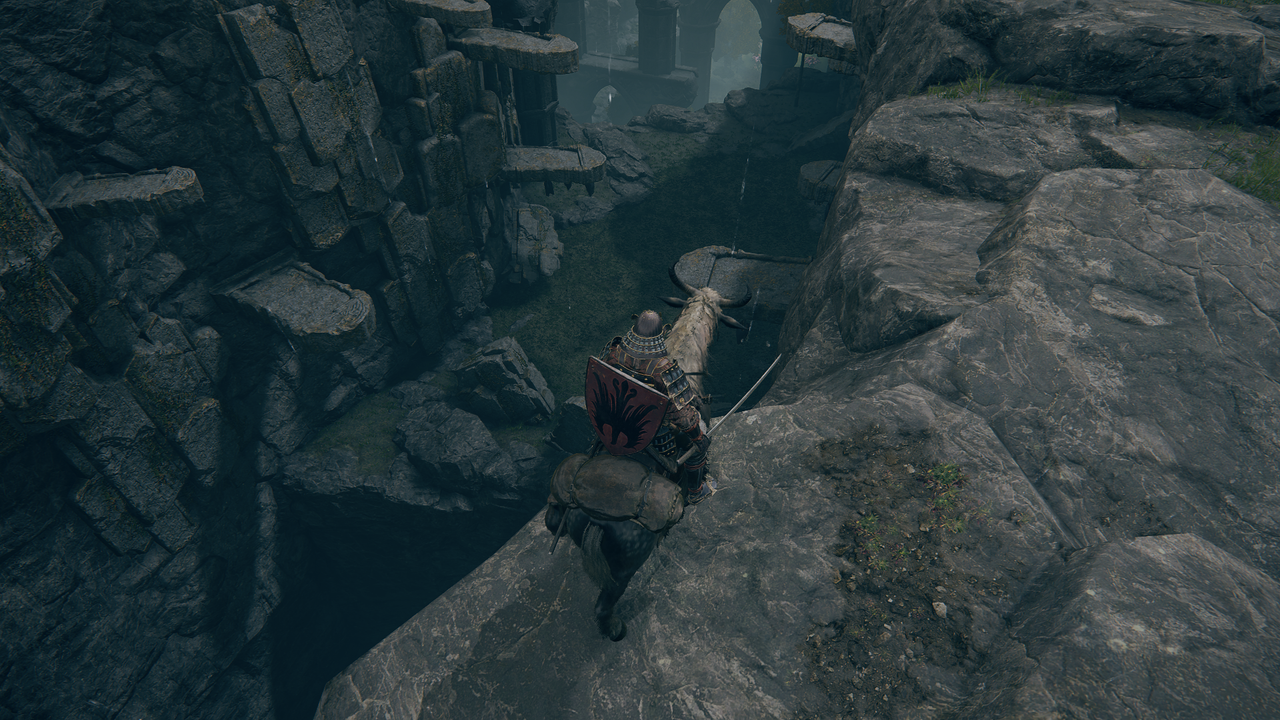
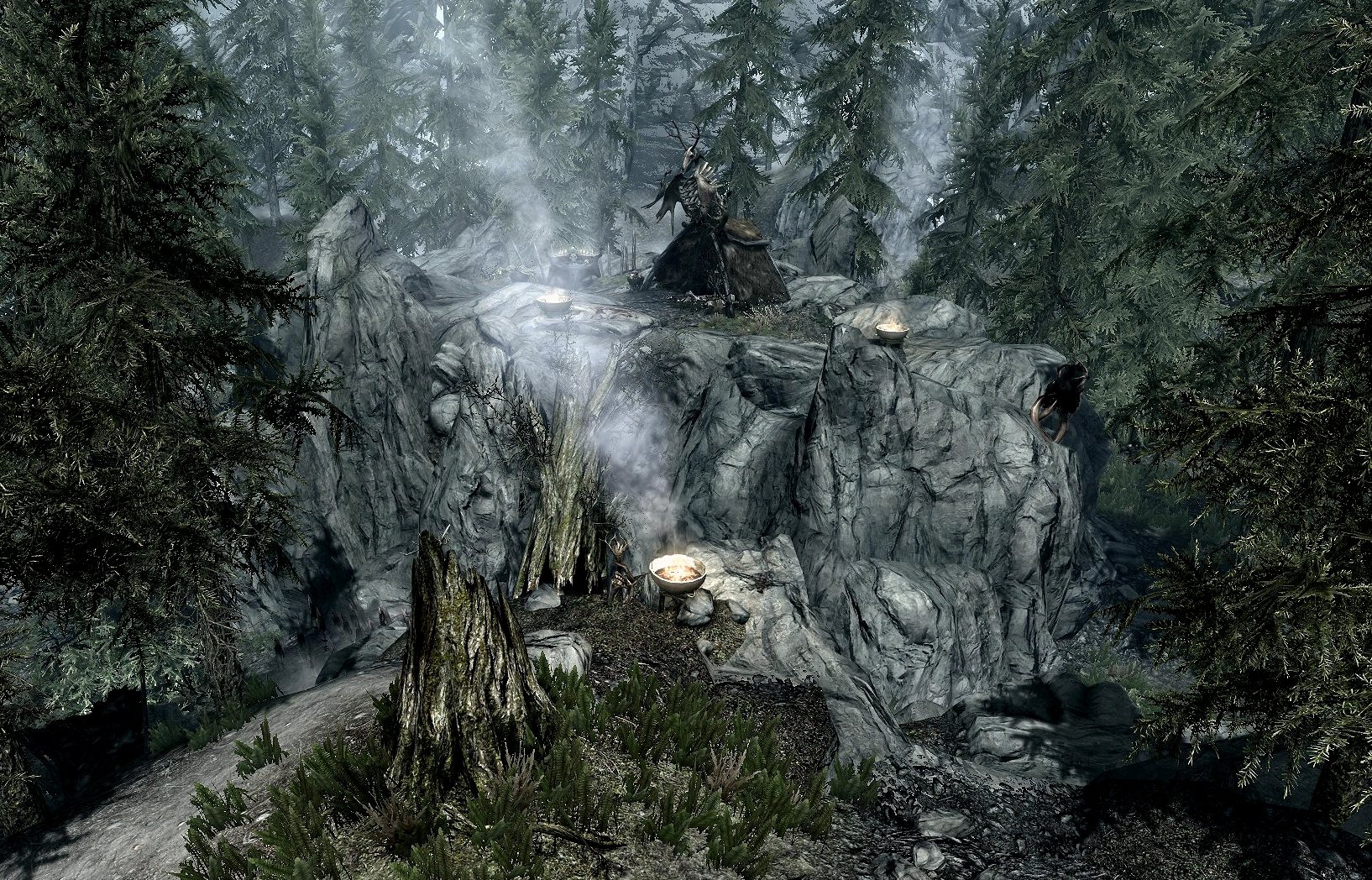
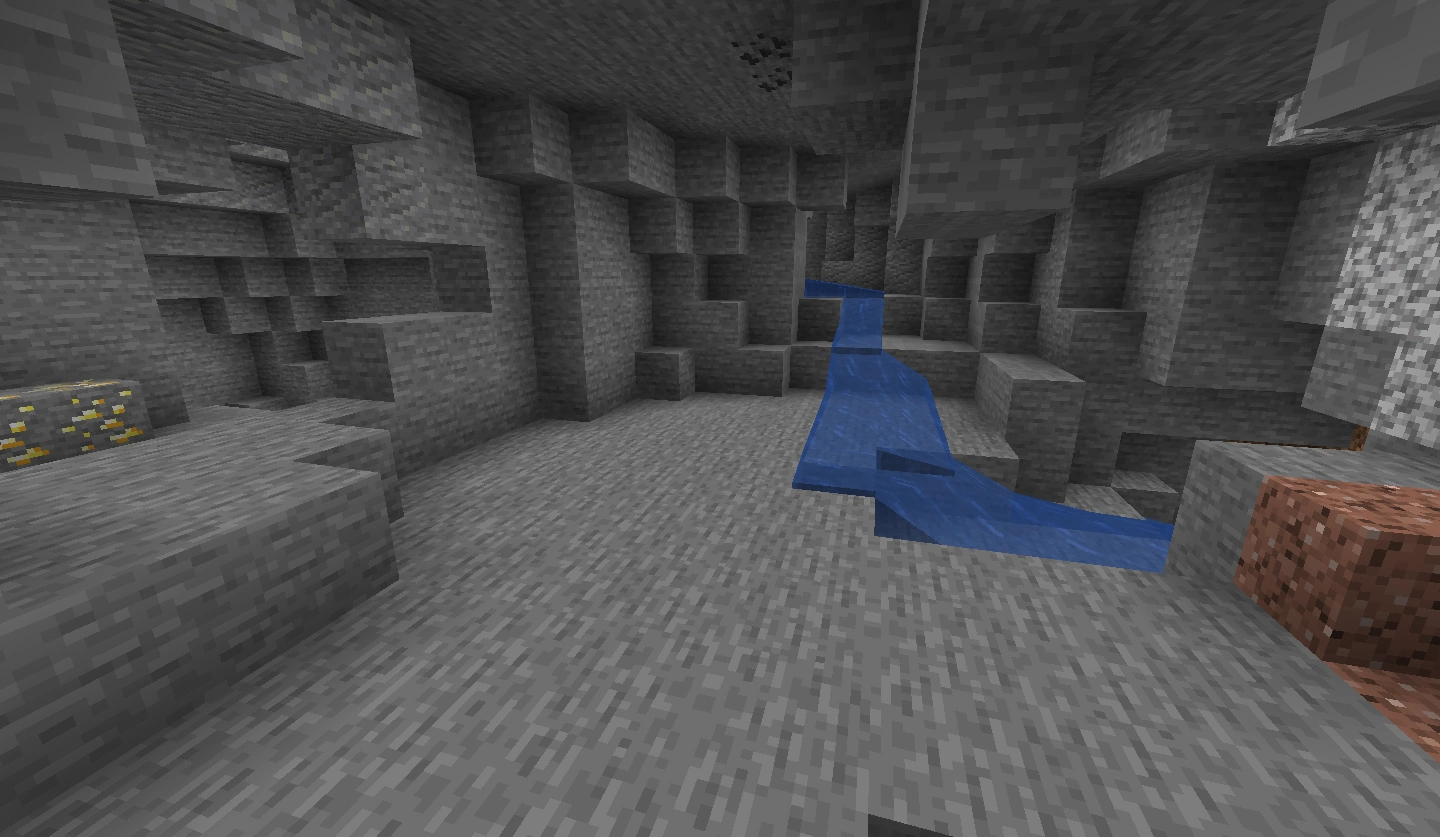
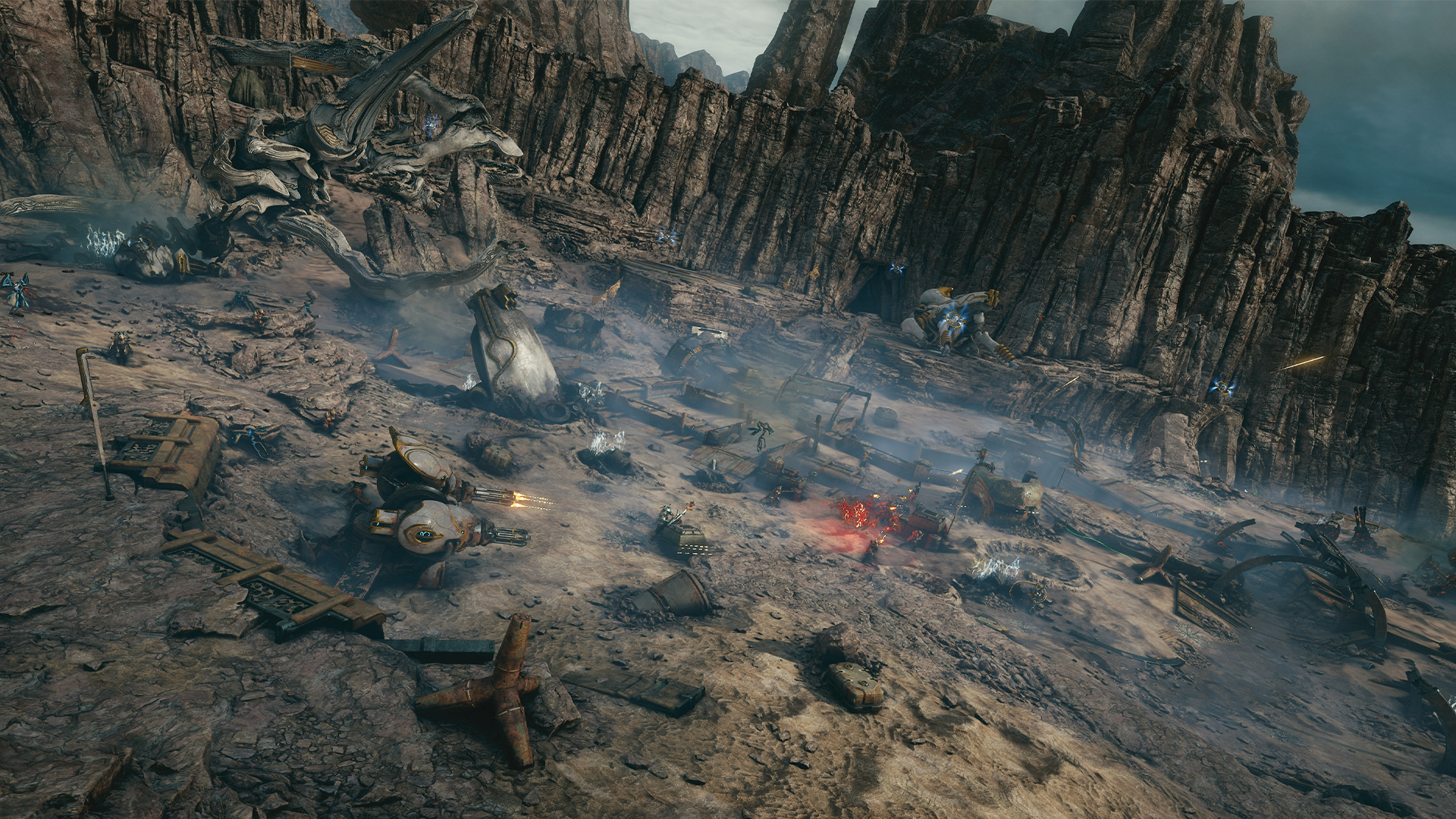
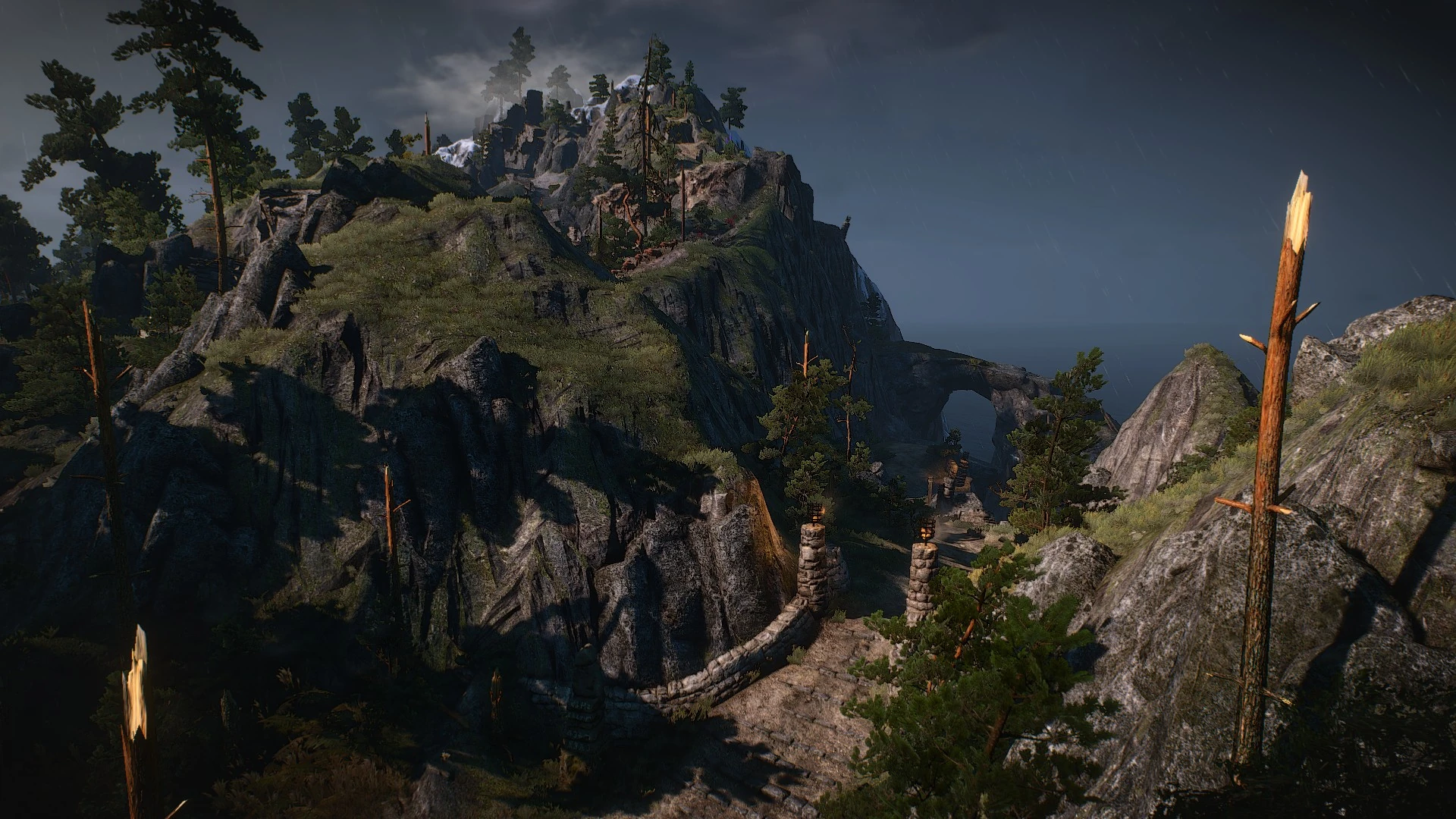
These questions rarely get answers, yet they profoundly influence how believable a world feels. The most convincing environments are often those where the underlying geology quietly supports the architecture, vegetation, and landscape rather than existing as interchangeable background decorations.
Belgian blue stone is as an excellent reminder that real rocks possess identity. They are products of specific geological histories, climates, and regions. A game world that pays attention to those histories—even in something as mundane as a paving stone or cliff face—gains a subtle authenticity that players may never consciously notice, yet instinctively appreciate.